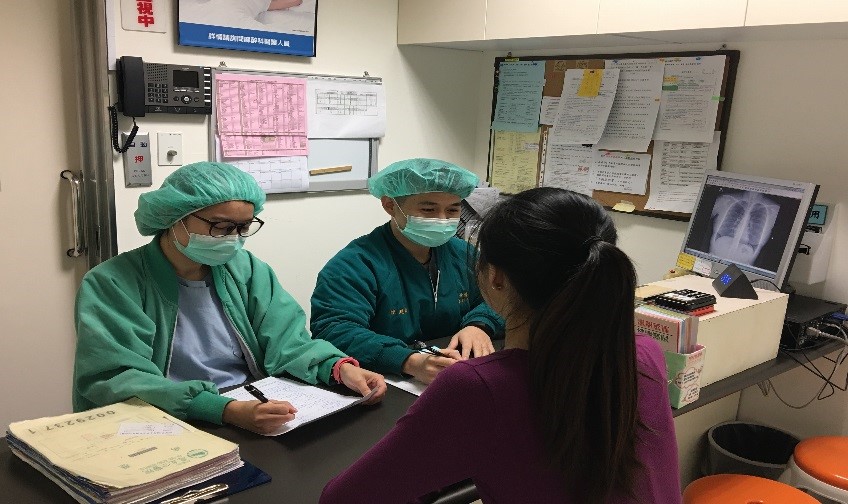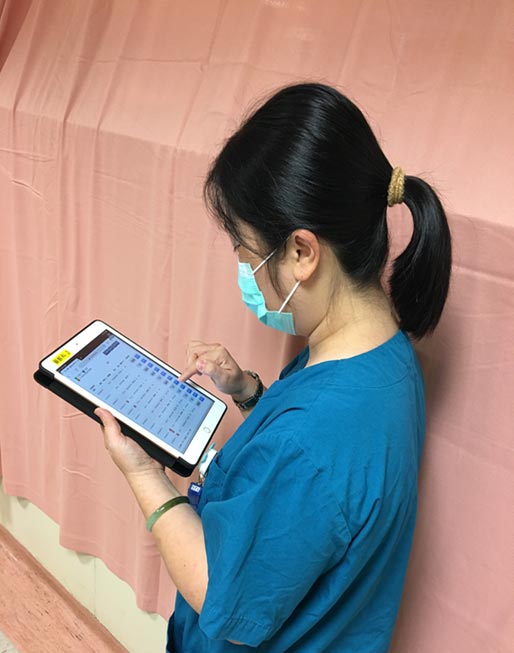
Anesthesiology is a profession developed in the late medical evolution period. In Taiwan, the anesthesiology department of National Taiwan University Hospital - the leading hospital in Taiwan, was first separated from the surgery profession in 1955. The Chinese Association of Anesthesiology was established in 1956. The National Taiwan University College of Medicine created the independent anesthesiology discipline in 1962 and enabled the teaching of anesthesiology and anesthesiologists' training. In the past, surgeons or dentists performed anesthesia. With the medical progress and the trend of specialization, surgeons started focusing on surgery and overall treatment plans, while professional anesthesiologists performed the anesthesia. The surgeon could then focus on operation, avoid the dangers peri operation, and offer the best medical care. In recent years, the specialist system has been fully implemented. To become an anesthesiologist, the candidate who graduated from the school of medicine must pass the doctor examination and professional technical examination and receive four years of professional training in anesthesiology at the teaching hospitals (as a resident) approved by the Department of Health. Under the guidance of specialist doctors, the anesthesia training of sub-specialties such as heart, chest, nerves, and pediatric surgery should be performed before applying the techniques. Like other specialists, anesthesiologists must also receive continuing education within five years and accumulate sufficient education credits to maintain the medical knowledge and technology without falling behind.
However, some hospitals and clinics have not kept pace with time. The surgeons and obstetricians instruct nurses to apply narcotics to the patients instead of taking charge by an anesthesiologist. Because of the lack of proper equipment or training, the patients may die or become persistently vegetative in certain circumstances. Given this, the Taiwan Society of Anesthesiologists proposed solutions to terminate NHI reimbursement for anesthesia performed by non-anesthesia specialists, initiated the law of essential monitoring of anesthesia in Taiwan, and held several press conferences and released news, calling the public to pay attention to their treatment rights. The public has the right to inquire the doctor to explain the conditions in detail and accept anesthesia conducted by a qualified anesthesiologist. Do not give up your life and happiness because of an unlawful and unqualified so-called "anesthetist" (By law, only physicians can perform anesthesia) and pay health insurance premium but receive unfair and unreasonable medical care, which might even cause lifelong regrets.
The current full-time attending staff of the Anesthesiology Department of the En Chu Kong Hospital have completed the professional training of anesthesiology at the National Taiwan University Hospital or Taipei Veterans General Hospital and has been the chief resident or attending physician of the Department of Anesthesiology in these hospitals. All of them have been granted the Certificate of Anesthesiologist, ROC, and meet the medical center's standard in the aspects of teaching, clinical anesthesia, painless delivery, intensive care, and pain management.
The Anesthesiology Department of En Chu Kong Hospital is located on the 5th floor of No.399, Fuxing Road, Sanxia District, New Taipei City. Since the opening of the hospital, all equipment (such as the comprehensive modularization of the “GE Dash 5000” physiological monitor and Central monitoring system, non-invasive Pulse Oximeter monitor, “GE Avance S5” full-function computerized anesthesia system, “Bair Hugger “Warming electric blanket and Infrared lamp, etc.) are comparable to those of the domestic medical centers or abroad. We use Desflurane (Suprane) and Sevoflurane (Ultane) and total intravenous anesthesia (TCI) to reduce waking time since August 2010 to maximize the operating room's turnover rate and efficiency. Instruments such as transesophageal ultrasound probe (TEE), 2D color ultrasound, non-invasive cardiac output monitor, and neuromuscular transmitting monitor are widely used to improve patient safety.
Besides inhalation of anesthetics such as Sevoflurane and Desflurane, Propofol (lipuro) and Alfentanil (Rapifen) have also been extensively used in outpatient operations and general intravenous anesthesia to relieve pain and speed up the recovery process, and thus reduce complications and discomforts after surgery.
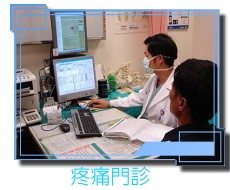
Our department provides various painkillers such as Tramadol, Buprenorphine (Temgesic), Morphine, and NSAIDs for postoperative analgesia. It allows patients to relieve pain in the recovery room and even achieve similar pain relief levels during anesthesia.
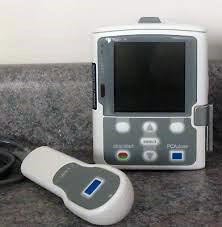
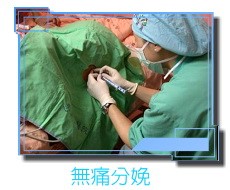
There are currently numerous Patient Controlled Analgesia (PCA) machines in our anesthesiology department to relieve pain and cancer pain after an operation, fulfilling the needs immediately. Our PCA machines consist of microcomputer memory, and a safe drug delivery mode can be set, same as those used in medical centers (such as the National Taiwan University Hospital). The patients can press the control button according to the degree of pain. The lockout interval and drug upper limit are designed to avoid complications or overdose caused by accidental touching of the control button.
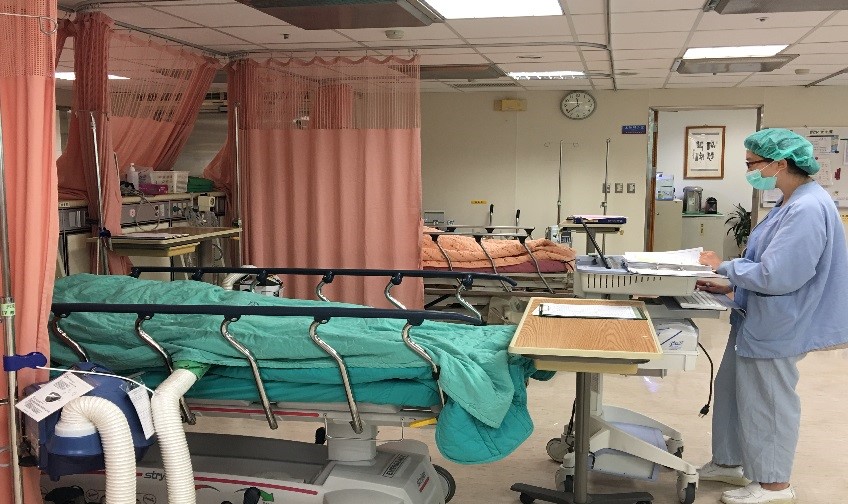
The anesthesia recovery room on the fifth floor of the hospital also adopts the GE Dash 5000 physiological monitor, accommodating multiple postoperative patients, such as patients receiving outpatient surgeries, postpartum patients, and patients after Extracorporeal Shock Wave Therapy. Although the National Health Insurance does not cover anesthesia recovery care for non-hospitalized patients, sunlight (infrared lamp), air (oxygen), water (intravenous infusion) are provided regardless of cost.